
Disclaimer and Rights Notice
This is an unofficial, fan-made work. It is not affiliated with, endorsed by, sponsored by, or approved by Marvel, Marvel Entertainment, DC Comics, Warner Bros., The Walt Disney Company, or any other rights holder, and no affiliation, endorsement, sponsorship, or approval should be inferred from its publication.
All characters, character names, and related indicia referenced in this work are trademarks of and copyrighted by their respective owners. This work claims no ownership of, and asserts no rights in, any underlying character, name, or property.
This is a non-commercial work of commentary, criticism, and analysis. It is published free of charge, carries no advertising or sponsorship, and is not monetized in any form. It is offered in the tradition of matchup analysis and literary criticism of published fictional works.
All artwork accompanying this work is original. It depicts no copyrighted character likeness, costume, mask, emblem, logo, or other trademarked symbol, and any resemblance to a copyrighted design is unintended.
If you are a rights holder, or an authorized representative of one, and you believe any part of this work infringes your rights, please contact the publisher. Any material identified as infringing will be removed promptly upon notice.
Highlights
Winner: Doctor Doom. Second: John Constantine, bound and unhurt. Third: Brainiac, bound by bargain. Thirty two entrants went in. Twenty four were killed. The winner was never better than sixth in raw output at any point in the audit, and he finished the contest without winning a single fair fight against the giants who outranked him in power. The verdict in one line: preparation, paperwork, and the exact wording of the win condition beat raw power, because the entrant whose limits covered the most kinds of ending was the one still able and willing to continue at the close.
The study
The Villain Royale asked a narrow question and refused to let spectacle widen it. Put thirty two villains and anti heroes from published comics and films into one bounded arena. Give everyone their standard powers and equipment, and nothing more. Allow no armies, no kingdoms, no outside help, and no universe ending artifacts. Then ask who is left when the contest ends.
The answer depends on the win condition, and the win condition was stated before the first blow. The winner is the last entrant able and willing to continue. Killing is one way to finish a rival, but it is not the only way. A rival can be banished, bound, bottled, quarantined, or bargained into standing down. That single sentence shaped the whole series, because it made contracts, cells, oaths, and paperwork as decisive as any blast.
The record was built in five stages. The audit priced the field. The tiers corrected the audit by asking who could actually finish whom. The opening ran the first ten minutes. The midgame spent the clocks and ledgers the first stages had identified. The verdict closed the endgame and stated its own falsifier, the one change that would break the result.
The framework
This is a serious scientific study. That sentence is meant plainly. The subject is fun, a field of fictional villains in a bounded arena, and the framework applied to it is serious: a serious framework applied to something fun, with the rigor kept and the subject enjoyed. Projected constraints is that framework, and it works as an anti bias mechanism because it removes the analyst from the result at five separate points.
First, every entrant received a card priced only from what that entrant demonstrably does in canon: powers, hard limits, durability, speed, range, and failure modes, all drawn from the published record and nothing else. Second, compulsions were treated as hard constraints, priced like armor or speed. A hunger clock, a sworn word, a need to perform, a debt, or a collector instinct could decide a matchup as surely as a blast could. Third, every entrant was played at perfect optimization within character. Nobody became smarter, kinder, braver, or more cautious than the person on the card, and nobody was played below their own best either. Fourth, one win condition was applied uniformly to the whole field: last entrant able and willing to continue, with banishment, binding, and bargains counting for every entrant on the same terms. Fifth, contested calls and falsifiers were published openly, including the one call in this record that could overturn the winner, which is stated in full below and left unresolved.
The claim follows from the mechanism. The outcomes follow from the measured capabilities and constraints under uniform rules, the way a physics result follows from its inputs, not from anyone having a favorite.
The field
The starting lineup of thirty two ran from the cosmic to the street. First came the three weather systems: Galactus, a starving cosmic giant bound by hunger and a sworn word; Darkseid, a granite tyrant whose eyes fire tracking beams; and Thanos, a titan who arranges his own defeat at the edge of victory. Behind them stood the machine problem, Brainiac and Ultron, two forking intelligences who copy themselves across substrates, so destroying a body confirms nothing, and Apocalypse, the ancient generalist who recruits as readily as he fights. Doctor Doom came seventh, the armored sovereign whose card is mostly preparation. Then Magneto, the man who owns metal; Reverse Flash, the speedster; Sinestro, the fear fueled ring bearer; Black Adam, the divine king with a spoken word weakness; and Lobo, who regrows from a drop of blood. Ghost Rider followed, carrying the one conditional one shot in the field, then Namor, whose damage is permanent inside one fight, and Lex Luthor, whose rating depends on whether he is inside his warsuit. Venom, Wolverine, and Deadpool made up the part of the field that does not stay down on schedule, and Deathstroke, Moon Knight, Red Hood, and Peacemaker carried the trained and armed middle. The last stretch held the hiders, the thieves, and the street: Catwoman, Harley Quinn, Kingpin, Joker, Rorschach, and the Punisher, and then the four wildcards, Loki, Kang, Mystique, and John Constantine, the one street entrant whose ceiling included winning the whole contest without winning a fight.
One fact from the audit matters more than any seed. Doctor Doom, the eventual winner, was never better than sixth in raw output. The study was never measuring who hit hardest. It was measuring whose limits, habits, and preparation covered the most kinds of ending.
Round one: the audit
The audit priced every entrant alone, before any matchup was allowed to argue with the prices. Its first finding was that the cosmic tier has a soft spot, and the soft spot is exploits rather than power. Each giant carried a constraint a much weaker entrant could reach. The audit also found that speed is the great equalizer, that metal is a liability in this arena, that regeneration comes in classes with different answers, and that two entrants might not be confirmable as dead at all. Those findings, priced in advance, decided fights that had not happened yet.
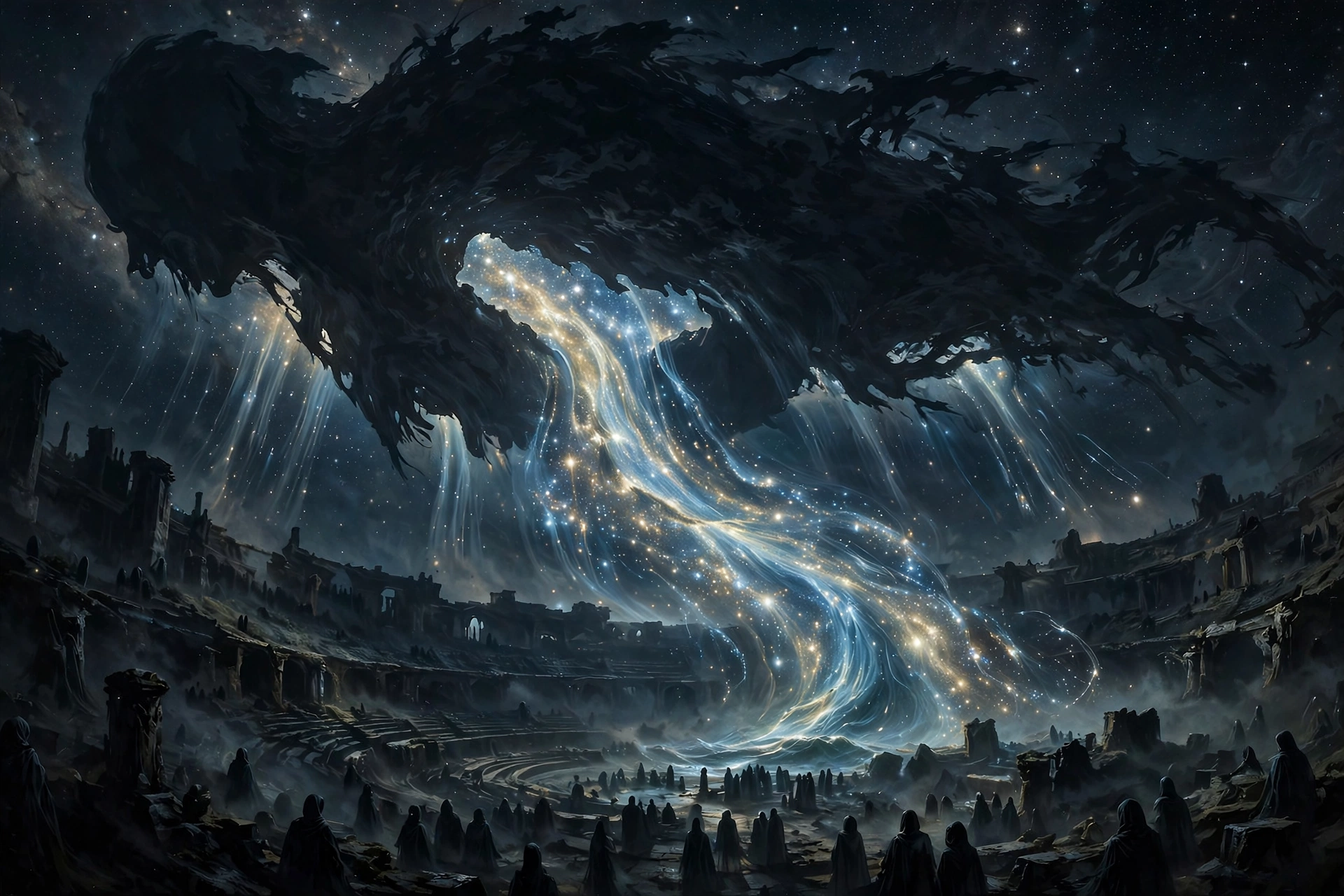 Galactus, priced in the audit as a hunger clock under a sworn word.
Galactus was the strongest entrant in the field and the only one whose tier was time indexed. He cannot eat inside the arena, so his output decays on a clock every other entrant can read.
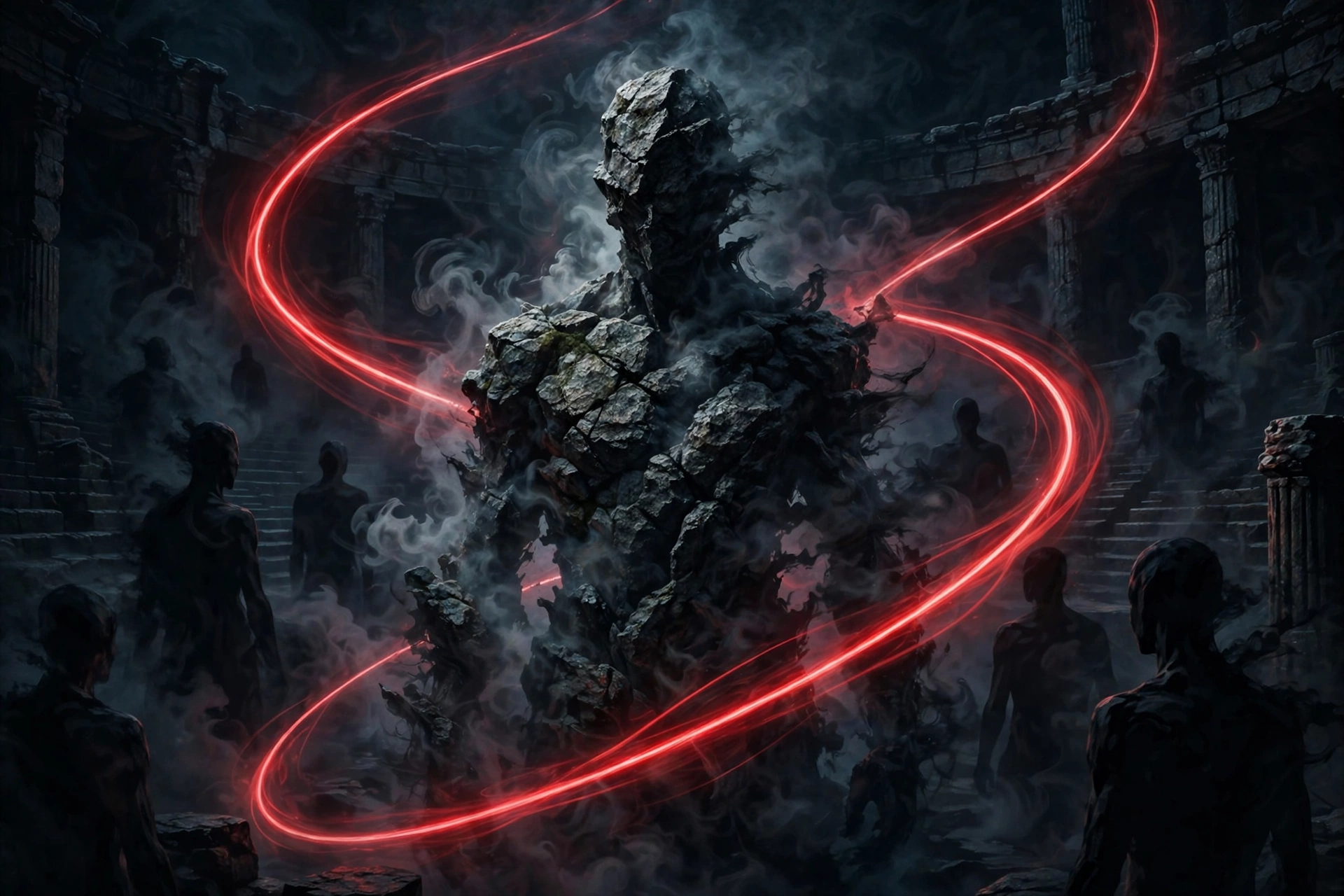 Darkseid, priced in the audit as pride carrying beams that do not miss.
Darkseid brought the Omega Beams, a weapon that hunts its target and does not miss, and an identity problem for anyone trying to finish him: the body in the arena is an avatar, and his true form sits outside normal space, so destroying the avatar ends his participation without ever making the sentence about his death true.
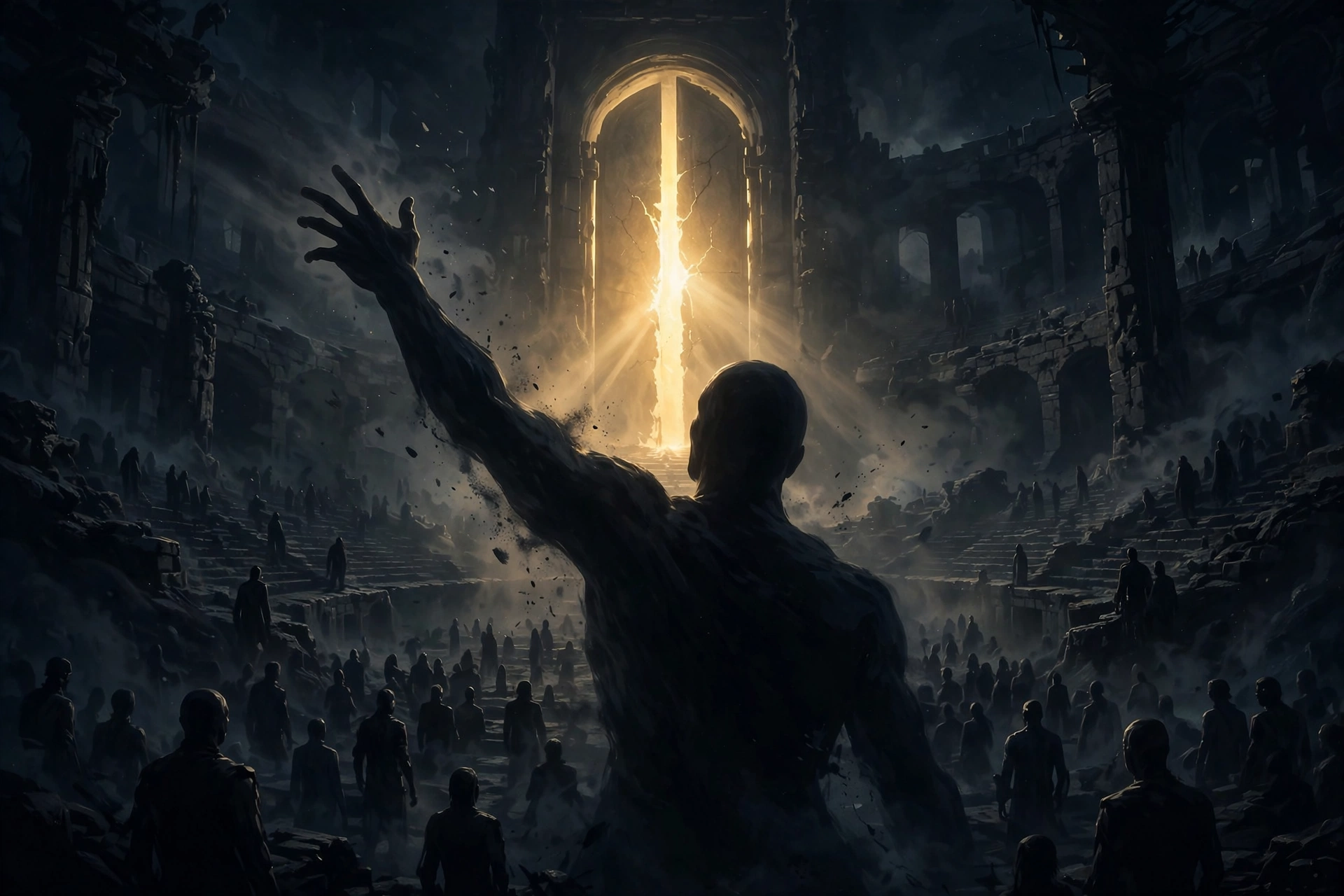 Thanos, priced in the audit as a titan who sabotages himself at the edge of victory.
Thanos was priced at parity with the giants in depth and durability, and his card carried the strangest constraint in the field: at the edge of victory, he hesitates, and the hesitation is consistent enough in canon to price as a window.
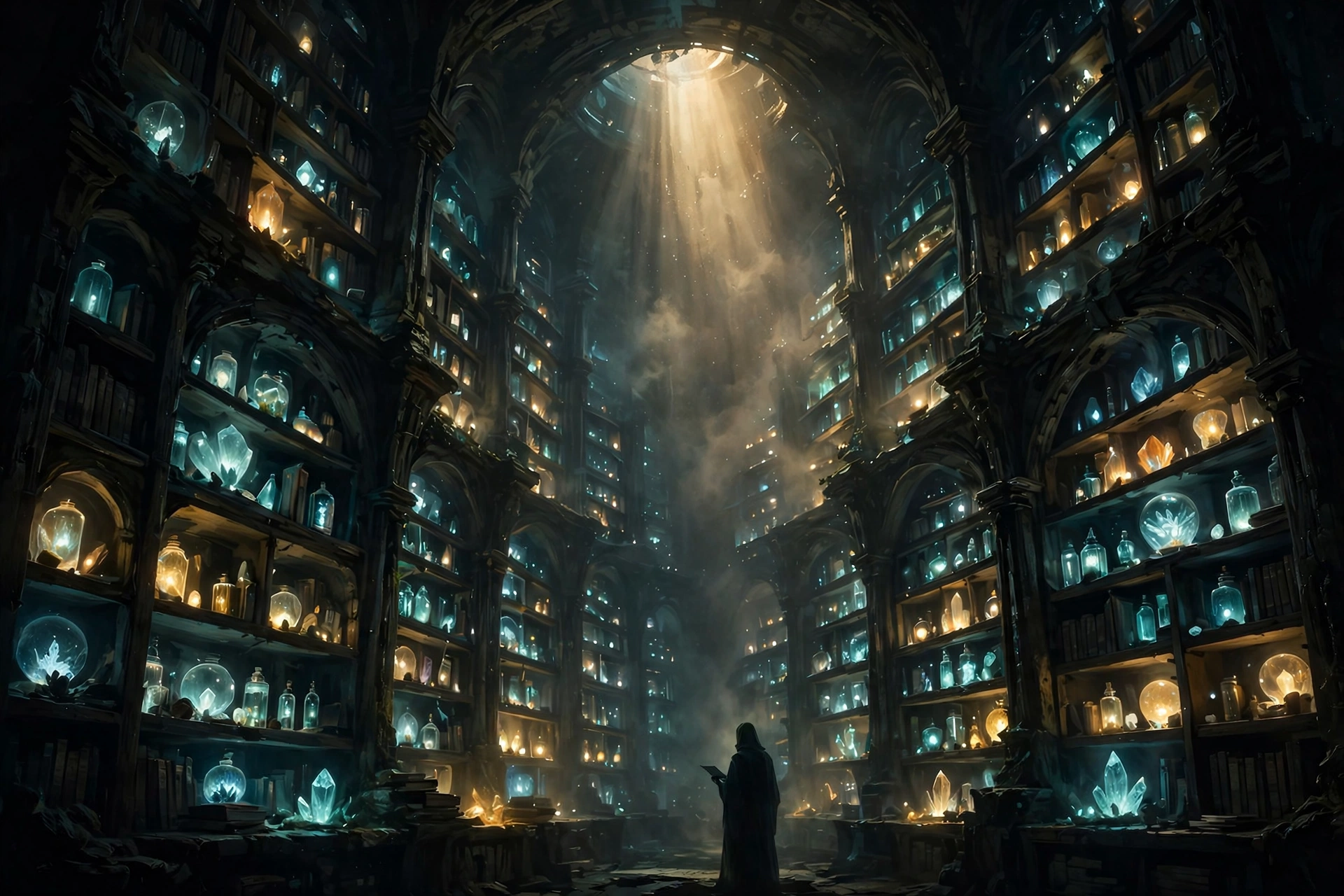 Brainiac, priced in the audit as a collector who forks across substrates.
Brainiac forked himself across substrates from the first moment the format allowed it, which turned killing him into a verification problem: destroying every visible body proves nothing.
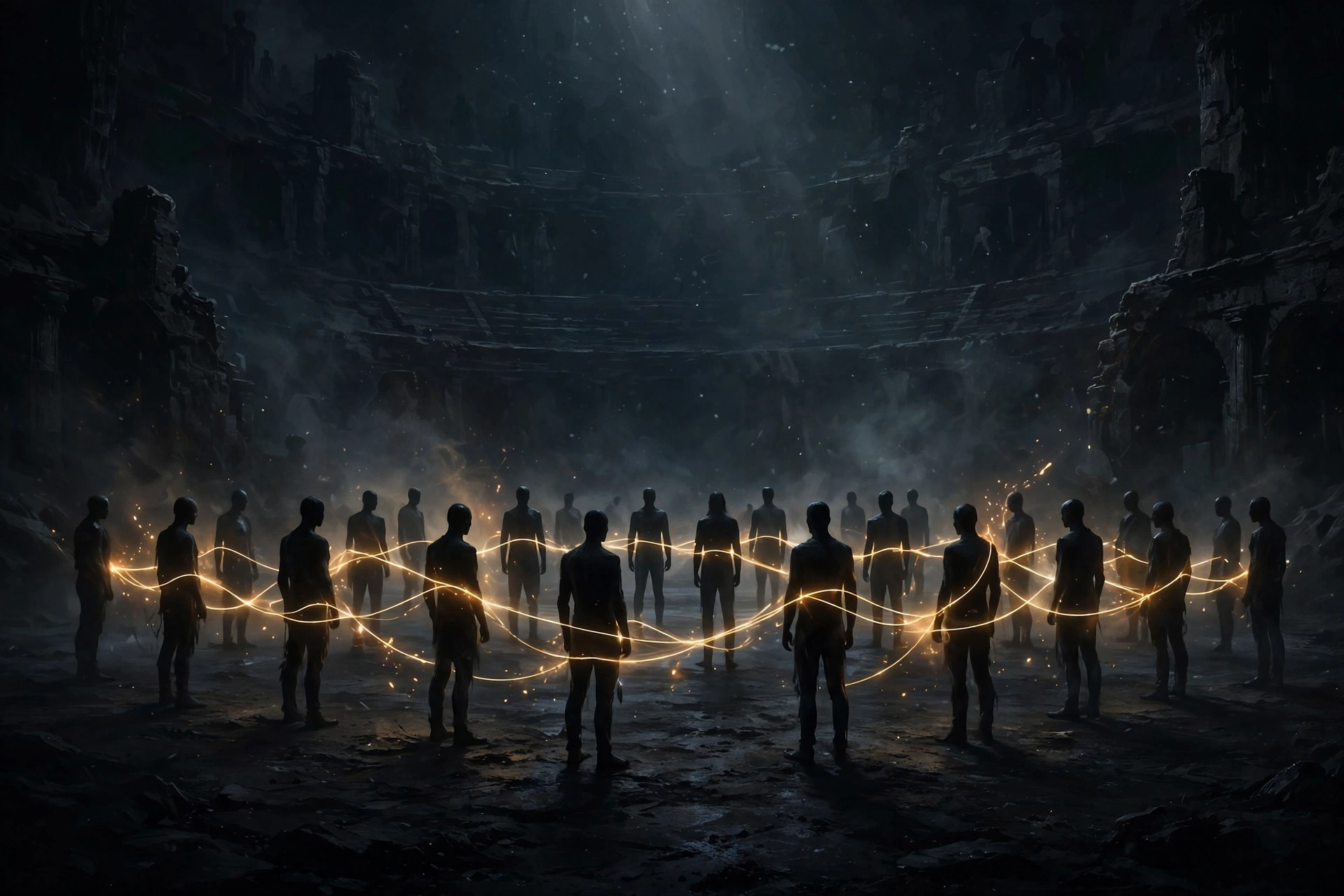 Ultron, priced in the audit as a forking intelligence no single body can settle.
Ultron carried the same verification problem as Brainiac, and the audit named the two machines as each other most dangerous matchup, because each was the only entrant who could contest the other from inside the substrate they both needed.
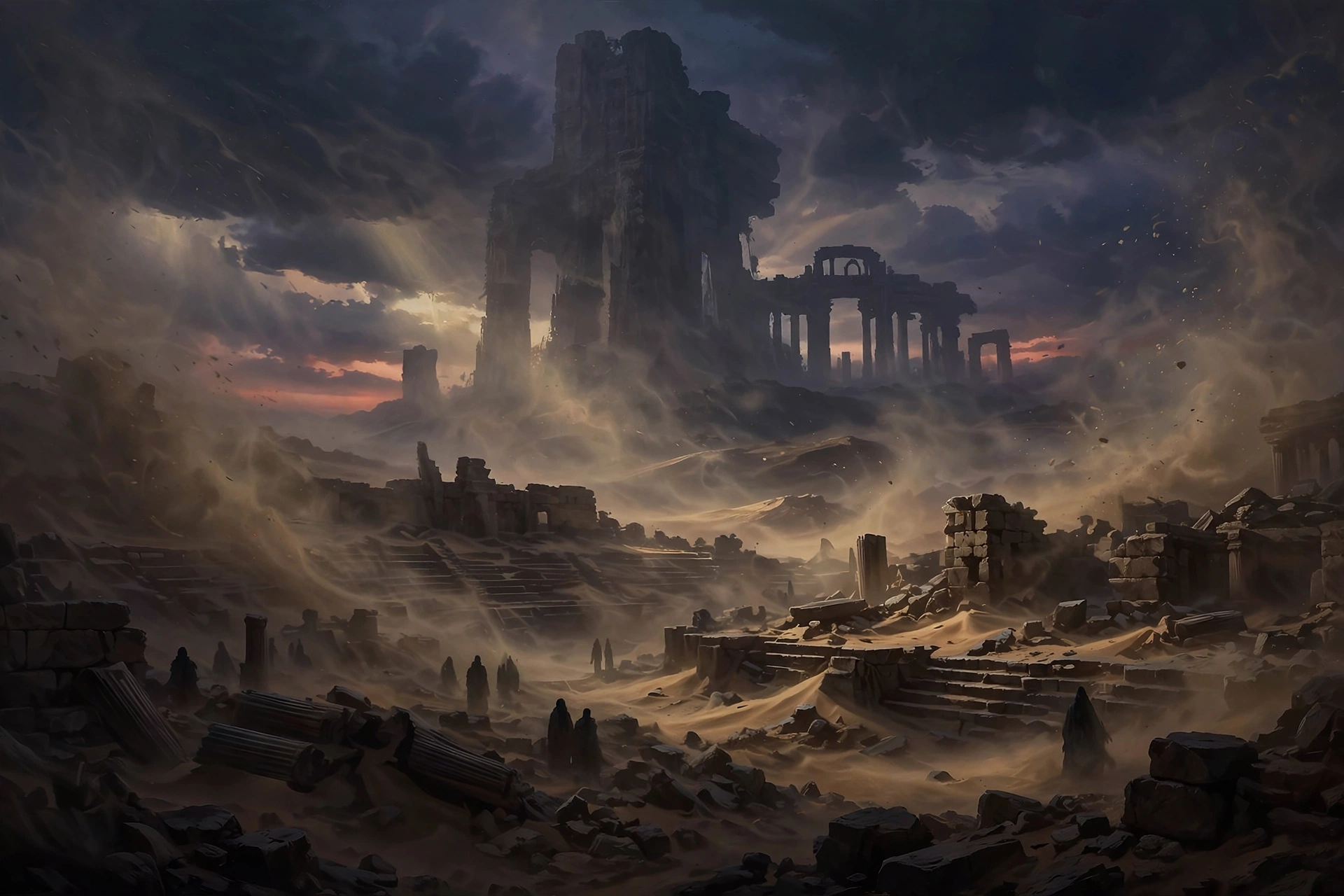 Apocalypse, priced in the audit as a recruiter whose body is metal bearing technology.
Apocalypse entered as a generalist with a Celestial technology body and an ideology that made him pitch before he fought: he recruits the strong as Horsemen. The audit priced that habit as a constraint, because a pitch takes time and assumes the listener is a recruit.
 Doctor Doom, priced in the audit as preparation ranked sixth in raw output.
Doom card was the audit quiet marvel. Sixth in raw output at best, and yet his card covered more kinds of ending than any other in the field: armor and sorcery together, a quarantine method priced against the machines, kill boxes he could build inside the arena, and a bargaining game with no compulsion forcing him to accept, decline, or perform. The audit did not pick him to win. It recorded that his limits were the hardest in the field to route around, and let the later rounds do what they would with that fact.
Round two: the tiers
The tiers corrected the audit prices against each other, asking the only question that matters in a royale: who can actually finish whom. Seeds moved, and four entrants were named as the Unkillable Problem, the ones no single opponent could confirm as finished. Galactus was an output problem, since nobody alone had the damage ceiling and the only route was his clock. Darkseid was an identity problem, since only his avatar could be destroyed. Brainiac and Ultron were verification problems. A format that counts only kills would have stalled on those four forever. This format counted inability to continue, and that wording is why the tiers could be honest.
 Magneto, priced in the tiers with a split rating, cosmic against metal and mortal against the rest.
Magneto correction was the largest in the heavy tier. Against the metal bearing half of the field he was cosmic effective: the canonical hard counter to Wolverine, able to turn a warsuit into a delivery mechanism and disarm armed entrants without looking at them. Against the rest he was a mortal man with finite stamina and no psychic defense.
 Reverse Flash, seeded first in the heavy tier because speed ends fights before durability matters.
Reverse Flash rose to first seed in the heavy tier on one priced fact: for Thanos, Magneto, and Deathstroke alike, he is the most dangerous matchup in the field, because the fight ends before durability, fields, or prediction engines get a vote.
 Sinestro, priced in the tiers on a finite ring charge with a battery that can be carried away.
Sinestro card turned on a number: a ring charge is finite, and the battery that restores it is a physical object that can be stolen. The tiers priced his best alliance as the most stable in the field, Lex Luthor as his engineer, each man the other stated strategy. Around that stable core hung two warnings he never saw: Kang had one targeted deletion to spend, and a thief could carry his power source away. Three parties were circling one ring before the contest began.
 Black Adam, priced in the tiers above Magneto on a stamina asymmetry.
Black Adam sat high in the food chain on stamina and depth at parity with the tier around him, with two priced weaknesses that the tiers stated without flinching: damage taken inside one fight heals slowly for him in this format, and he has no defense against the Omega Effect.
 Lobo, priced in the tiers as regeneration that only disintegration answers.
Lobo regeneration was priced in the top class: he regrows from a drop of blood, so separation, wounds, and ordinary killing do nothing lasting. The tiers named his one answer, disintegration at the molecular level, and named its owner, Darkseid.
 Lex Luthor, priced in the tiers as two states, mid tier in the warsuit and street out of it.
Lex was the field clearest two state card. Inside the warsuit he was a mid tier entrant and the engineer of the most stable alliance in the arena. Outside it he was a street tier man in a field of giants.
 Venom, priced in the tiers among the ones who do not stay down on schedule.
Venom sat in the mid tier, priced with known answers against him: sonics and incendiaries are his card named failure modes. His plan was the hiders bet in its purest form, motionless and unseen, wagering that the machines would kill each other early. The tiers priced that bet honestly for every hider: if either machine survived to sweep with machine senses, stealth of every kind would expire, and the hider would be found by an opponent who already knew exactly how to kill him.
The tiers closed with the spoiler list, entrants who could not win but could decide who else did not: Wolverine the executioner, Constantine the kingmaker, Loki the coalition broker, Kang with one targeted deletion, the Punisher as bracket janitor, Mystique the false flag, Catwoman the thief, and the Joker the arsonist. Alliance math closed the stage: the first coalition forms against the most visible threat, not the most dangerous one.
Round three: the opening
The opening ran the first ten minutes, and it belonged to compulsions: six entrants died the deaths their own cards had priced.
 Peacemaker, killed in the opening after his peace directive chose Darkseid as his target.
Peacemaker was the first death, at about twenty seconds, and the audit could have written the entry in advance. His peace directive did his targeting for him: he engaged Darkseid on sight, in the opening range cycle, and took an Omega Beam.
 Kingpin, killed upright in the opening by a blast aimed at the field generally.
Kingpin died at about thirty seconds, upright and mid negotiation, which is to say he died as himself. The Punisher rifle round wounded him first, and then Galactus opening blast, aimed at the field generally rather than at any man, killed him where he stood. The tiers had priced him exactly: no evasion, no range, dead to area effects aimed at others. He was the only entrant the strongest being in the arena killed all day, and it was an accident of geometry.
 Joker, killed mid performance after landing the engineered insult that later closed on Black Adam.
The Joker got his one act in first. His engineered insult, aimed at Black Adam, was planted in the opening seconds with its payoff deferred, and then Reverse Flash cull phased through his heart mid performance, at about forty seconds. The tiers had named anonymity as his only shield and his compulsion to perform as the thing that forbids it, and the opening simply collected. His insult, though, was still live in the arena, and it would matter more than most survivors did.
 Rorschach, erased in the opening after walking into the beam sector announcing his judgment.
Rorschach watched the Joker die, re selected Darkseid as the worst criminal in reach, and walked into the beam sector announcing his judgment. He was erased at about fifty seconds without the beam cycle changing rhythm.
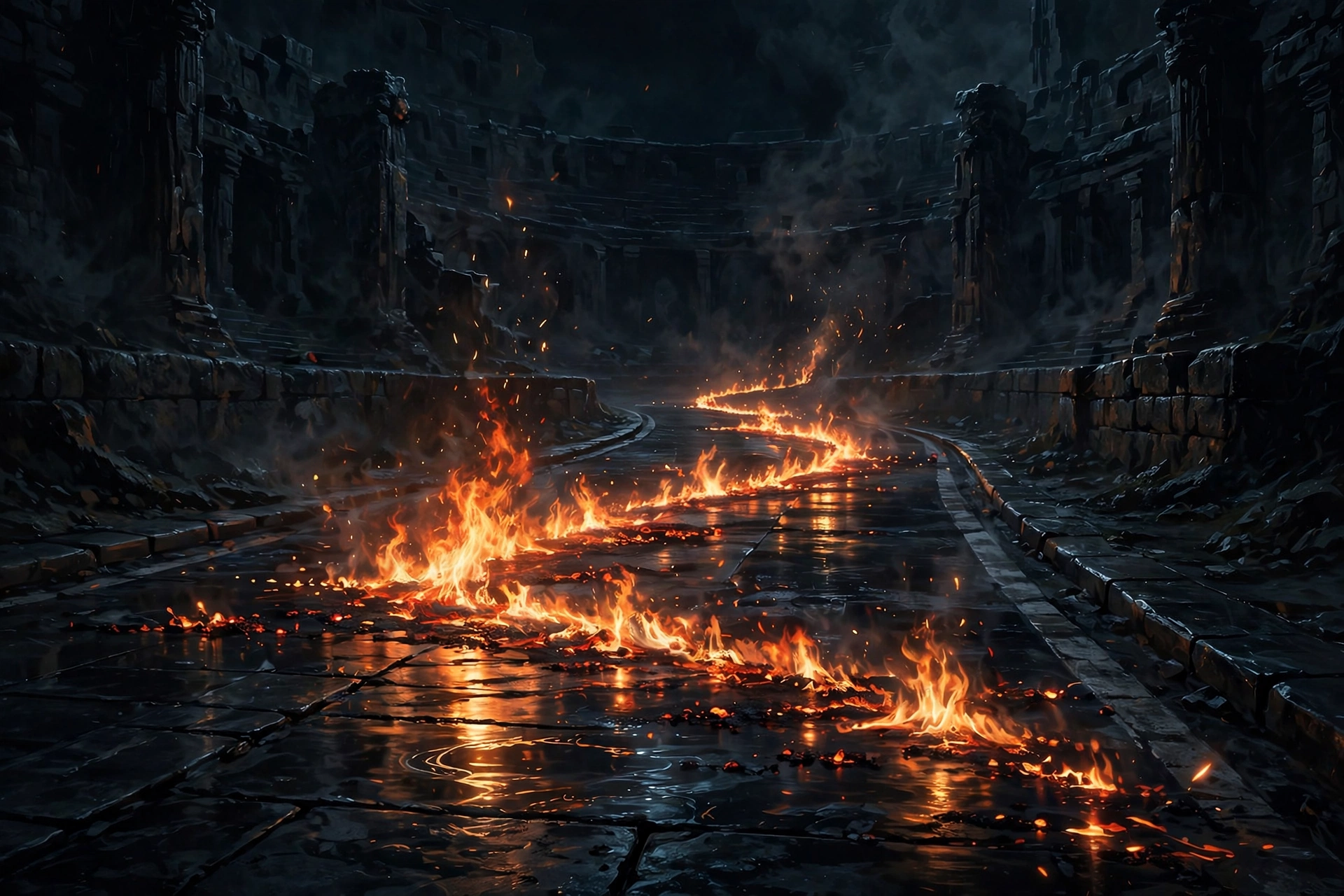 Ghost Rider, killed in the first subjective instant before the transformation could begin.
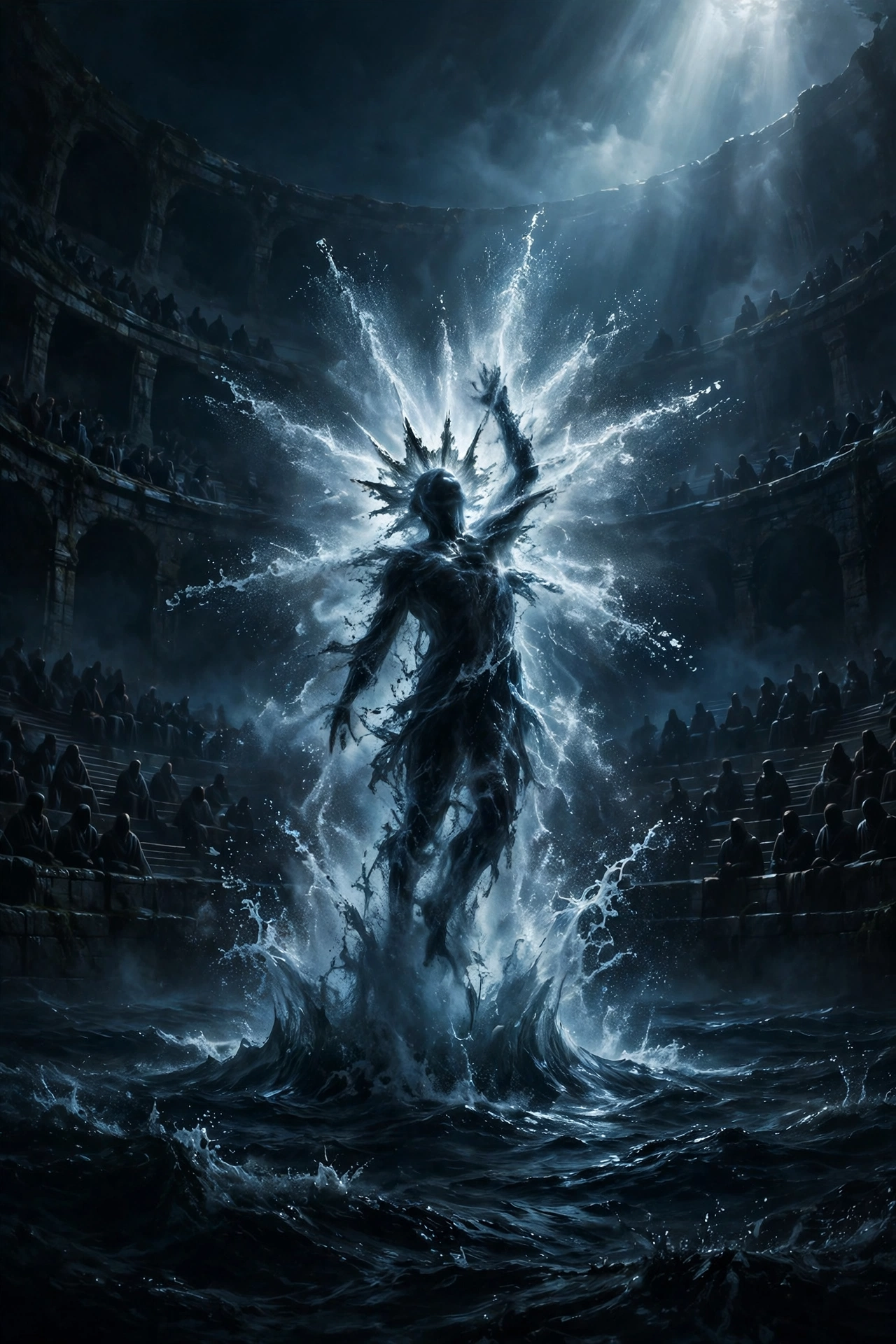 Namor, disintegrated in the opening on the most readable route in the arena, the break for water.
Namor died inside two minutes, disintegrated by the Omega Beams on his predictable break for water. He was the top end floor, a heavy seed corrected down in the tiers, running the most readable route in the arena into the weapon that does not miss.
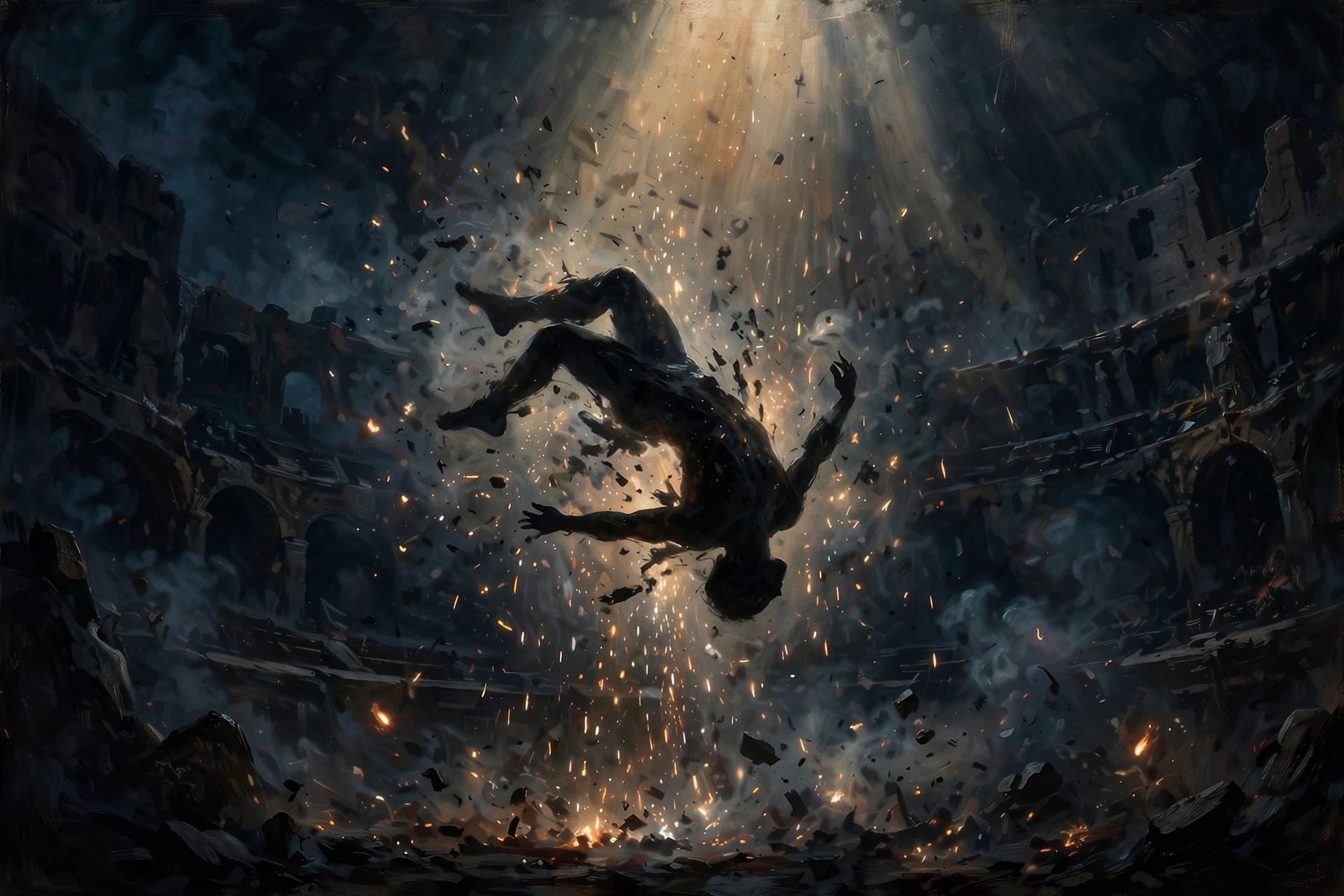 Deadpool, marked in the opening by the one permanent cut he laid on Namor before vanishing into the field.
Deadpool opening contribution was small and permanent, one cut on Namor that the record notes even though the beams made it moot, and it captures his priced place in the field: a factor based regenerator who cannot be killed by ordinary means and cannot kill anyone who matters at the top.
Around those deaths, the real opening took shape. Galactus spent maximum output and killed one street entrant by accident; the field dispersed instead of coalitioning, and his hunger clock became everyone strategy: starve him. Darkseid spent his opening on Black Adam solo challenge, and Adam, losing the duel, bought the entire field ten minutes by holding the tyrant attention alone. Thanos stayed hidden and unhurt and confirmed with one probe that the machines cannot be hunted by force. Brainiac and Ultron forked from the first second and spent nothing, though an early copy attempt on Doom armor was quarantined, making Doom the only entrant holding earned intelligence on the fork war. The order bloc formed, Sinestro with Lex as his engineer, already analyzing the ring charge cycle, and Deathstroke on retainer, while Kang quietly selected Sinestro as his one targeted deletion. Constantine banked three obligations, a ward debt from Catwoman, a true name favor with Moon Knight, and a declined pitch from Wolverine with the door left open, and identified the Khonshu lever without pulling it. The Punisher geometry was perfect and his docket stood at nothing from two attempts, both kills taken by weather and speed. Every hider was clean: Mystique as an invented nobody, Loki first as a premature corpse and then as a duplicated mid tier entrant, Catwoman in dead ground now sheltering Harley, and Venom motionless. Twenty six stood at ten minutes, and every one of them was on the machine senses clock.
Round four: the midgame
The midgame took the field from twenty six standing to twelve, thirteen killed and one eliminated alive, as clocks ran out and ledgers were called in.
The volunteer ran out first. Black Adam solo challenge, which had bought the field its opening, ended when Darkseid abandoned the subjugation attempt his pride preferred and paid for an execution instead. Adam unhealed damage and his priced lack of any defense against the Omega Effect closed the fight, and at the one moment he was offered room to reposition, the Joker insult reached him, repeated by Lobo at the perimeter, and removed his last exit. Lobo followed him in the same engagement, having made the avatar genuinely work at brawl range before the Omega Effect unmade him at the molecular level, the one bypass his regeneration accepts. The tiers had named that answer and its owner in round two.
Apocalypse fell to his own ideology. His Horseman pitch was refused by Adam, by Lobo, and by Doom, and his card had priced Magneto as a recruit rather than an executioner, so the specialist disassembled the Celestial technology body with the power the audit had flagged in round one. The Sinestro triangle then closed from three directions at once.
 Kang, killed in the midgame immediately after his one targeted deletion landed on Sinestro.
Kang spent his one targeted deletion exactly where the tiers said he would. His prepared counter crashed the ring charge cycle mid fight, the recharge never came because Catwoman had stolen the power battery, and his arsenal finished a ringless Sinestro. The order bloc died with its ring bearer. Then the bill arrived: two anchor arrays already spent and the rest degraded by the deletion itself, Kang died in his armor to Reverse Flash, facing his nemesis.
 Moon Knight, killed in the midgame as a baseline man when the true name favor was spent.
Moon Knight death was a ledger entry before it was a fight. His name was on Constantine bill: the great ward that saved the dead ground web from the machine sweep priced itself in the one true name John held, and when the price was paid, Khonshu favor guttered mid fight and Marc Spector fought Lobo chain as a baseline man, and was killed by it. Constantine obligations are real currency, and this was the framework operating in the open: a price structure deciding a matchup fists never could.
 Harley Quinn, killed in the midgame by the sweep first drone element, buying the ward its seconds.
Harley Quinn died buying time. When the machine sweep reached the dead ground web, she went loud and visible against its first drone element and bought the ward the seconds it needed, and the sweep killed her for it. Catwoman survived inside the re warded ground because Harley spent herself at the one moment visibility was worth more than stealth. The tiers had given her no route to the endgame, but her card held loyalty with no survival instinct attached, and the midgame priced that as the most useful death in the lower field.
 Red Hood, killed in the midgame by Deathstroke after his own blades announced him at the bloc perimeter.
Red Hood breached the order bloc perimeter hunting Lex, and his own All Blades, cutting a construct, announced him. Deathstroke collected him in the mirror match, and the record is blunt that the mirror match was not close: the student version of the trained killer met the priced original, on retainer, in ground the bloc had prepared. He spent his life entering a structure that was already dying with its ring.
 Deathstroke, killed in the midgame by the metal harvest while crossing toward the spent gods.
Deathstroke own exit came by weather of a different kind. His contract was voided by Sinestro death, and crossing the metal strewn mid field toward the spent gods, he walked into Magneto harvest, the great sweep of arena metal that closed on his promethium kit. The man who owns metal does not need to see you to kill you if your equipment is metal and the field is littered with it.
 Punisher, killed in the midgame inside the minute after his one successful shot, by his own arsenal turned on him.
The Punisher finally got his kill. Brainiac had eaten Lex warsuit systems from inside, its sensors already lying to its wearer, and when Lex ejected, Castle opening sightline had him out of the suit at last. Inside the minute, his muzzle flash lit his perch inside the metal harvest, and Magneto turned his own arsenal on him. His docket closed at one from three, and the record notes the one was the kill that mattered to him least.
 Wolverine, the executioner who opened the priced finish on Thanos in the midgame hesitation window.
Wolverine midgame act was the most consequential wound of the contest. Loki manufactured the bait, Constantine door stood open behind it, and Logan, pointed at the Titan, struck inside the hesitation window that Thanos self sabotage guarantees. Adamantium wounds do not close. Thanos, who spent nothing all midgame, ended it carrying the worst damage of any giant, bleeding from a ledger Logan had opened and would be invited to close. The tiers had named Wolverine the executioner and Thanos his most likely top end victim while both were still unbloodied. The midgame turned that line into a loaded weapon and left it on the table.
Venom died in the same stage, found first by Brainiac sweep, escaping burned while Ultron ate the committed fork cluster, then crossing Doom fortification apron into the built in sonics and incendiaries his card names as failure modes. Magneto died to Thanos, ambushed on emergence by teleport and telepathy against a card with no psychic defense, after the metal war, the Apocalypse kill, and the purge sweep had burned his stamina down. The purge combination lost its first leg permanently with him, and the record notes that Doom, his own purge partner, did not warn him about Thanos, and treats that silence as a tell rather than an oversight. Deadpool was eliminated without dying, disassembled by Reverse Flash mid reassembly with the pieces kept separated as a standing chore, his card named kill route executed as routine maintenance. Twelve went into the endgame: the giants spent or bleeding, both machines reduced or uncounted, the speedster unhurt and hunted, Doom holding the only proven machine kill of the royale, an Ultron flagship sorcery locked in his quarantine trap, and Constantine with his ward spent and the Wolverine door standing open.
Round five: the verdict
The endgame ran from twelve to one, and it ran on rails the earlier rounds had laid.
Reverse Flash endgame doctrine forced him to finally be somewhere, and he committed mid strike against Thanos during the peer war, where the Omega Beams do not miss.
 Loki, killed in the endgame by the dying Thanos after his reveal staged him in front of an audience.
Loki reveal came due as the bait in the endgame central trade. Constantine had identified him by name in the midgame and held the name unspent, because a named god in the ledger is worth more unspent, and the reveal staged Loki visibly himself, mid monologue, on ground Constantine prepared. It bought him an audience and cost him the only asset that had kept him alive, being underestimated. When Thanos, dying, got one act, the revealed trickster was at arm length, and Loki durability is priced on his own card as insufficient against cosmic power. His last move was entirely in character: he tried to bargain with John, offering the field best remaining intelligence for a door out. John declined, from arithmetic rather than cruelty. Loki alive was a second threat priced against every remaining plan, and dead he shrank the field for free.
Thanos died in that same exchange, killed by Darkseid, authored by Wolverine. Constantine held the hesitation window open, Logan second strike landed in the ledger he had opened in the midgame, and the Omega Beams fired at point blank range into wounds that never close. The honest accounting names the authors in order: Logan claws wrote the ledger, John hand held the window open, and Darkseid hand was on the weapon that collected. Wolverine then became the field most dangerous loose end, a Titan killer Darkseid doctrine could not leave unpriced, and Logan walked straight at him into the beams, his card named threat executing his named failure mode. The arena got small enough to count.
 Mystique, bottled by Brainiac in the endgame when the audit found cellular signatures rather than faces.
Mystique had survived the whole contest on the hiders bet, first as an invented nobody inside Magneto cause, then sheltered after Magneto death left her with no cause and no cover story that scaled.
 Catwoman, bottled by Brainiac in the endgame after keeping the stolen battery one movement too long.
Catwoman endgame was billed through the one name Constantine had deliberately left uncalled. She had survived in the re warded dead ground, holding Sinestro stolen power battery, the theft that had helped kill a heavy seed in the midgame. She kept the battery one movement too long, because Constantine Galactus working billed the last unspent name in his ledger, hers, and reclaimed her ward. Brainiac bottled her in the small field that followed. The ledger system was working exactly as priced.
 John Constantine, bound in a cell at the final two, unhurt, after Doom declined to bargain or pay the price of killing him.
The paperwork round closed the giants. Galactus, the strongest entrant in the field and the only one the field never hurt, left by a sworn bargain, brokered by Doom and executed by Constantine, hunger having decayed him to heavy effective output and his word being absolute. Darkseid, the most spent giant in the arena, then walked frontally and proudly, per his compulsion, into the prepared room Doom had built for exactly that survivor, his own beams bent back into a body that Adam, Lobo, and Thanos had already marked. His avatar was destroyed there. Ultron built a second flagship to make it personal with Doom, and it was quarantined like the first, leaving his remaining forks in burned, substrate free systems, not dead but unable to continue, which is what the win condition actually asks. Brainiac, who could not be purged with Magneto dead, accepted Doom offer in his own currency, curatorship of the royale complete record in an isolated archive, and was bound by his own acceptance. His last shield was price: his death is the most expensive event in the arena, a soul mortgaged to three rival Hell lords. Doom, optimizing, declined to pay it, declined to bargain at all, and built him a cell instead. Bound and unable to continue is an ending under the stated rules, and it was the one ending Constantine ceiling had never included a counter for.
The verdict and final standings
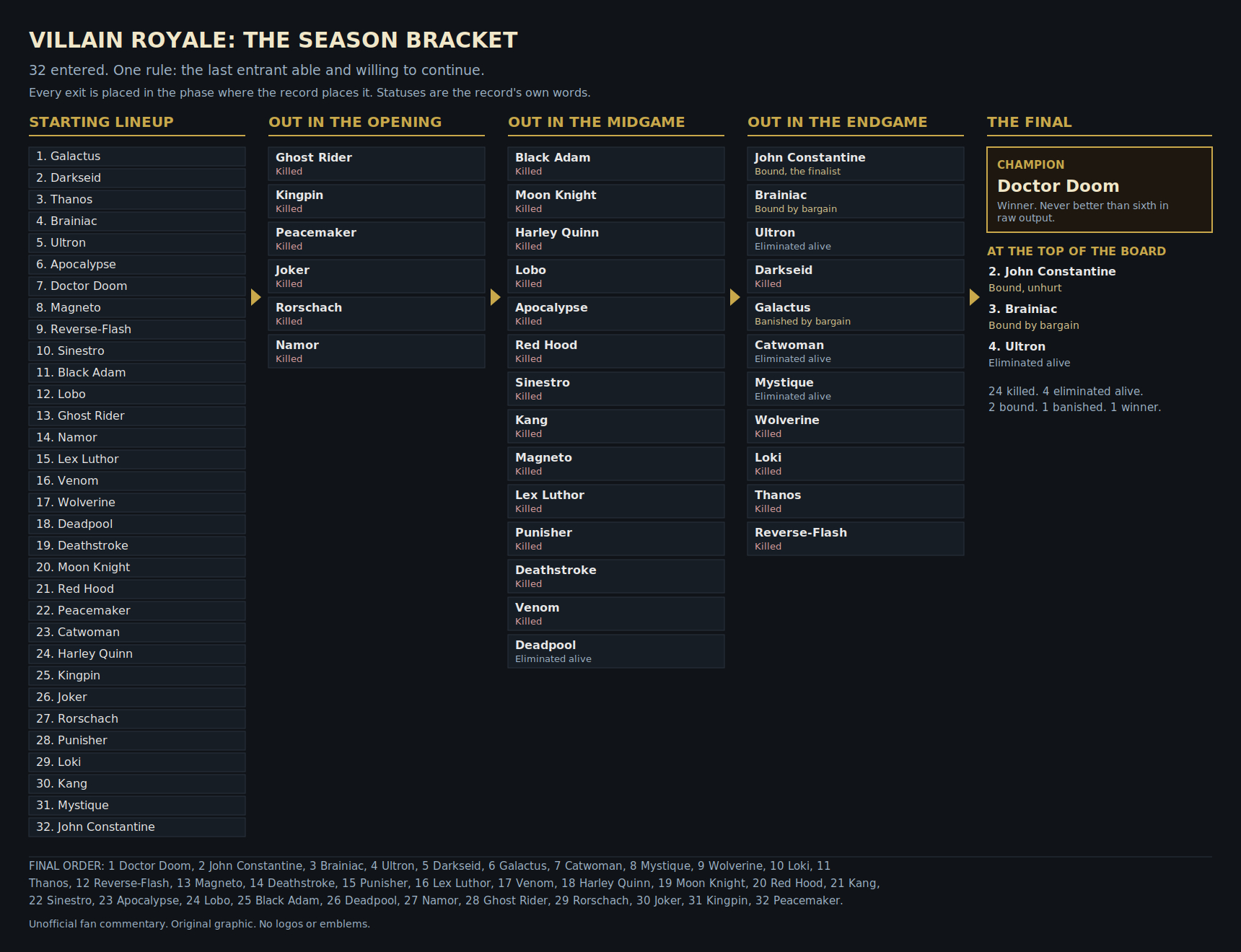
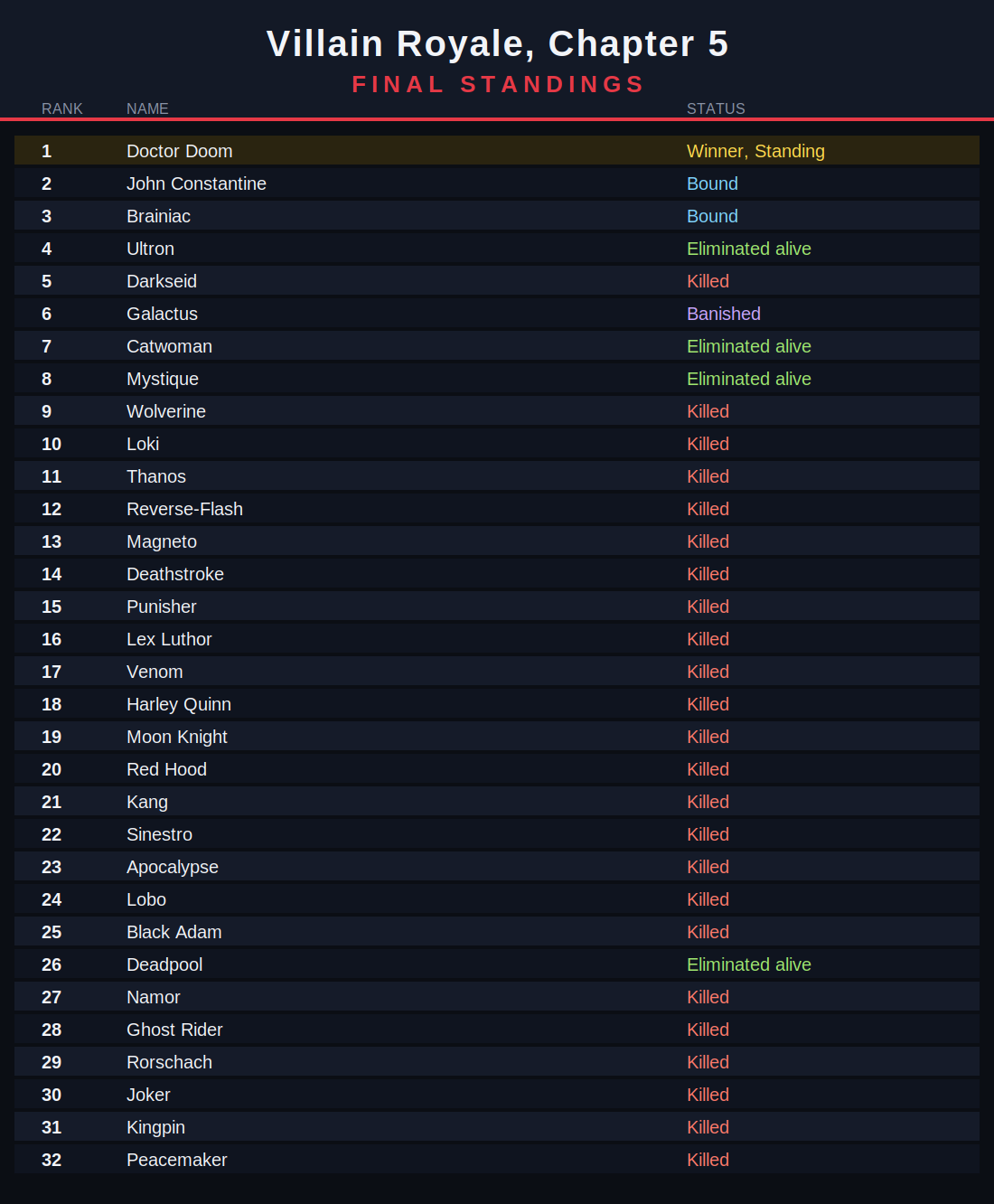
Doctor Doom wins the Villain Royale, bound Constantine second and unhurt. The endgame order reads: 1. Doctor Doom. 2. John Constantine, bound. 3. Brainiac, bound by bargain. 4. Ultron, eliminated alive. 5. Darkseid, avatar destroyed. 6. Galactus, banished by bargain. 7. Catwoman, eliminated alive. 8. Mystique, eliminated alive. 9. Wolverine, killed. 10. Loki, killed. 11. Thanos, killed. 12. Reverse-Flash, killed. Below them, in order: Magneto, Deathstroke, Punisher, Lex Luthor, Venom, Harley Quinn, Moon Knight, Red Hood, Kang, Sinestro, Apocalypse, Lobo, Black Adam, Deadpool, Namor, Ghost Rider, Rorschach, Joker, Kingpin, and Peacemaker. Deadpool stands as the one midgame entrant eliminated alive in that group. The full board below carries every name and status.
The season bracket board below tells the same story in one picture, the full starting lineup in seed order, the exits grouped by the round that claimed them, and the champion at the end of the bracket.
The contested call
The record flags its own hinge, and this article states it unresolved, exactly as the record does. The verdict stands on two bargains: the starving god's oath and the collector's acceptance. If Brainiac declines Doom's archive bargain, he cannot be purged or finished, and he wins by default of format when the last organic entrant falls. The file calls that the hinge of the entire royale. Doom's crown is real under the record as played. It is also one declined signature away from belonging to the machine.
What the series showed
Power decided almost nothing after the first minute. The opening belonged to compulsions. The midgame belonged to clocks and ledgers: hunger, ring charge, stamina, and wounds that would not close. The endgame belonged to the exact wording of the win condition. The strongest entrant was removed by paperwork. The most durable finalist was removed by a cell. The fastest was removed by the one weapon that does not miss. The winner was the entrant whose preparation covered the most kinds of ending, including the ending where the correct move is to offer a library instead of a fight, and the ending where the correct move is to offer nothing at all.
That is the finding the Royale keeps returning to, in every edition: constraints, not capabilities, are the outcome variable.